Extreme temperatures are among the greatest stresses a vehicle can experience in real-world operation. That is why automakers and component suppliers are increasingly testing vehicles under conditions that simulate Arctic cold, tropical heat, and rapid temperature changes when moving between different climate zones. The goal is clear: to ensure vehicles operate reliably wherever they are used around the world. And this is exactly what AUREL Proving Ground makes possible thanks to its state-of-the-art climate chamber and its direct connection to real test tracks.
Climate Chamber and ADAS Track in One Location
AUREL Proving Ground offers a comprehensive testing environment for vehicle development and validation of both complete vehicles and individual components under extreme conditions. The two-bay climate chamber allows simulation of temperatures ranging from +60 °C to −40 °C. At the same time, it precisely controls relative humidity from 10% to 99% RH – from extremely dry conditions to almost saturated air. This makes it ideal for accelerated durability testing, where several years of environmental exposure can be simulated in a short time, allowing engineers to verify the long-term resistance of tested components.

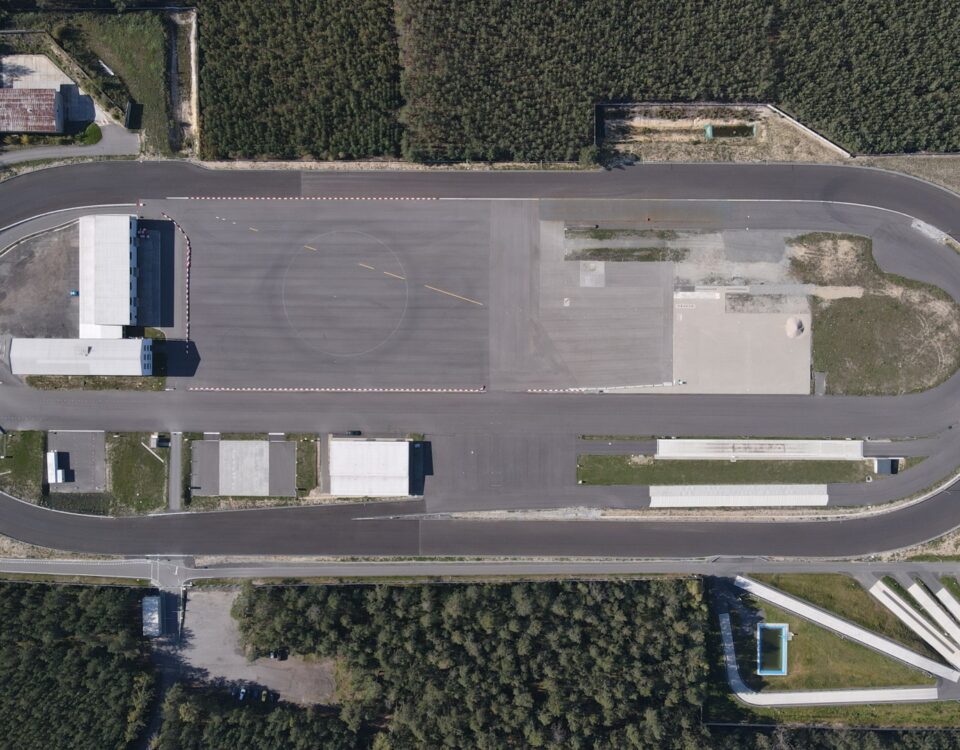
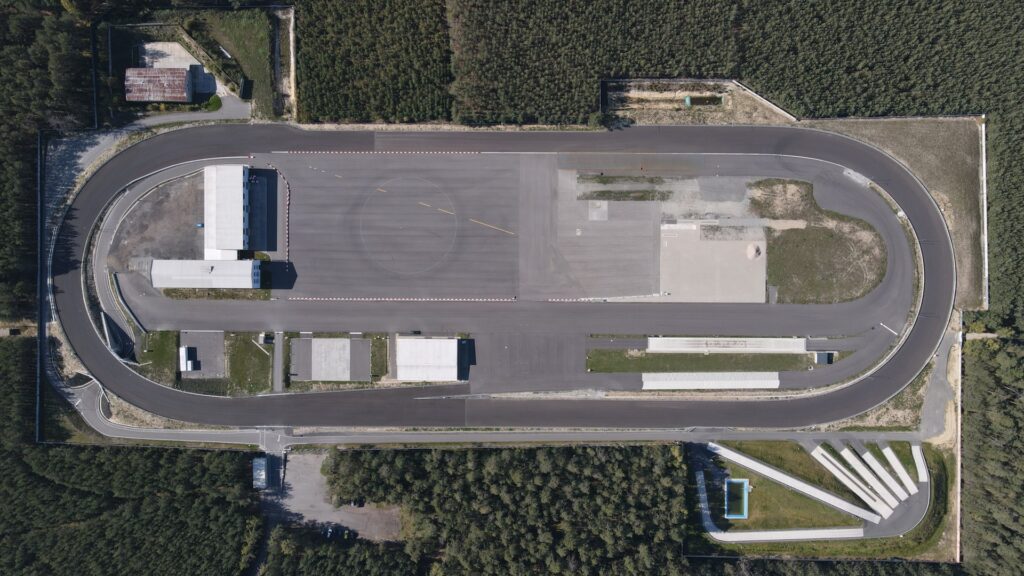
One key advantage of the Proving Ground is that the climate chamber is located directly next to the ADAS test track. Vehicles can leave the chamber and immediately enter real test areas. This enables experts to seamlessly combine chamber testing with real operational loads and unpredictable scenarios, such as low-speed manoeuvres, intensive braking, repeated starts, or long-term endurance cycles. Results from laboratory measurements can thus be verified in practice immediately, without relocating to another facility.
From Frost to Heat: Faithful Simulation of Extreme Conditions
The climate chamber provides precise and repeatable simulation of conditions vehicles encounter in the Sahara, the Norwegian mountains, or during sudden summer storms. Thanks to accurate temperature and humidity control, both complete vehicles and individual components can be tested.
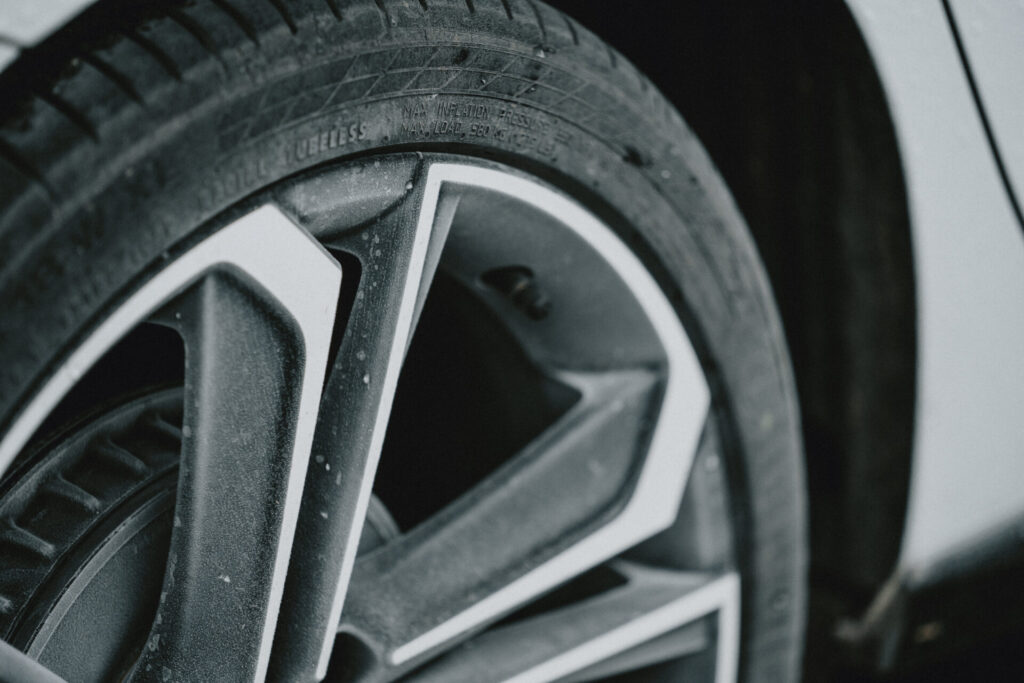
Imagine temperatures ranging from deep frost to tropical heat. Vehicles can be cooled down to −40 °C, corresponding to winter conditions in northern Scandinavia, Canada, or Siberia. At the opposite end of the spectrum, +60 °C can be applied – temperatures typical for summer operation in desert or subtropical regions, or for extremely overheated road surfaces. Temperature has a major impact not only on cabin comfort, but also on brake efficiency and brake lining performance, tire grip and deformation, chassis dynamics during heating and cooling, as well as the behaviour of lubricants and hydraulic fluids.
At the same time, the resistance of the bodywork and surface components can be verified under long-term exposure to various weather and temperature conditions. Humidity is also closely monitored, with precise settings for testing condensation, corrosion, and electronic behaviour.
What Typical Tests Does the Climate Chamber Enable?
- Starting performance and operational stability
Low temperatures test the ability of the engine or traction battery to deliver sufficient power during cold starts. High temperatures, on the other hand, stress cooling circuits and verify the robustness of control units. - Heating, ventilation, and air conditioning (HVAC) performance
HVAC systems are tested for ramp-up times, performance stability, energy consumption, and temperature distribution in the cabin under non-standard climatic conditions. - Material resistance and interior components
Thermal shocks reveal component deformation, adhesive joint behaviour, aging of rubber parts, and colour stability of plastics. - Electronics reliability
Stability of control units, sensors, and modules is tested across different temperatures and humidity levels, including response to condensation and reliability under thermal shock.
Extreme climatic conditions can also be simulated using the digital twin of the Proving Ground, which significantly accelerates and reduces the cost of certain tests. This unique Czech project gives leading global automakers the opportunity to verify expensive, time-consuming, or risky scenarios, reducing costs and shortening development cycles.
Weather Matters – Verify Vehicle Reliability in Every Climate
Climate testing plays a crucial role in ensuring vehicles perform reliably all over the world. AUREL Proving Ground provides engineers and technicians with ideal conditions that ensure maximum repeatability, rapid parameter changes, and direct integration with real driving tests. The result is more accurate data, faster development, and greater confidence that a vehicle will perform in any environment and weather.
Make sure your vehicles stand up to every climate – contact AUREL Proving Ground and experience our extreme conditions.